Test Bench Selection Guide

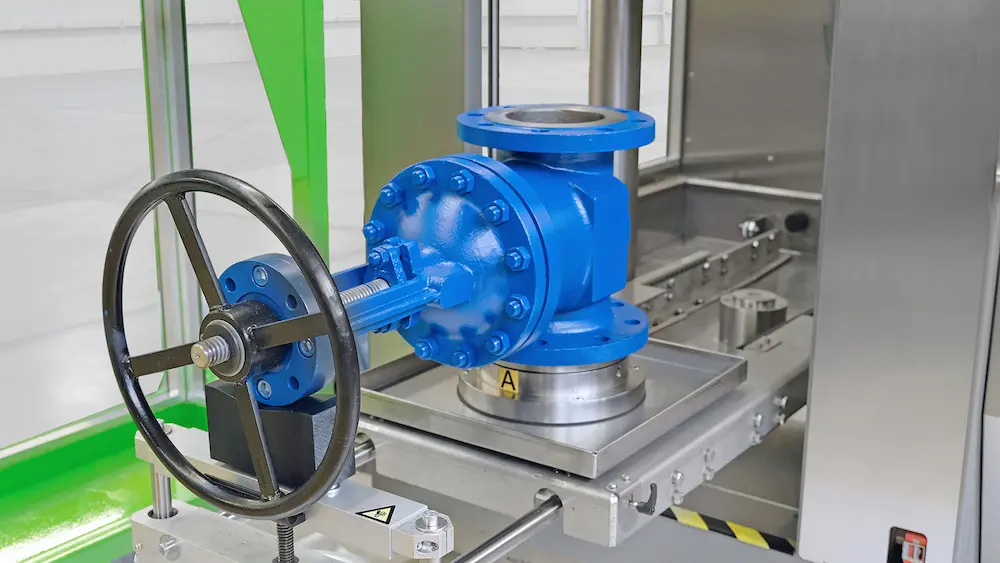
What exact valve types, sizes, pressure classes and end connections must the bench accommodate?

Defining your application

To help you explore the most suitable solution for your application, we would be pleased to support you in defining the right valve test bench and configuration from our extensive range of solutions.

As a first step, we recommend considering the specific requirements of your testing application, including the valve types and sizes to be tested, pressure ranges, connections, required test methods, applicable industry standards, reporting requirements and any specific functionalities or capabilities you may need.

Tailored testing, built modular

To find the best fit, consider:

  • Valve type and size – What valve types, size range and connections do you need to test?
  • Pressure range – What are the operating and test pressures?
  • Testing application – Is it for production, inspection, maintenance, service, qualification or R&D?
  • Test methods – Do you need shell, seat leakage, hydrostatic, pneumatic, functional or torque testing?
  • Standards and requirements – Which API, ISO, ASME, EN, IOGP, DIN, MSS or customer specifications apply?

Liquid or gas testing

The choice of test medium – liquid such as water or oil, or gas such as air or nitrogen – depends on the test standard, valve design, pressure, leakage requirements and test purpose.

Liquid testing is generally used for high-pressure hydrostatic and strength testing, while gas testing is typically used for seat leakage testing and applications requiring a dry medium.

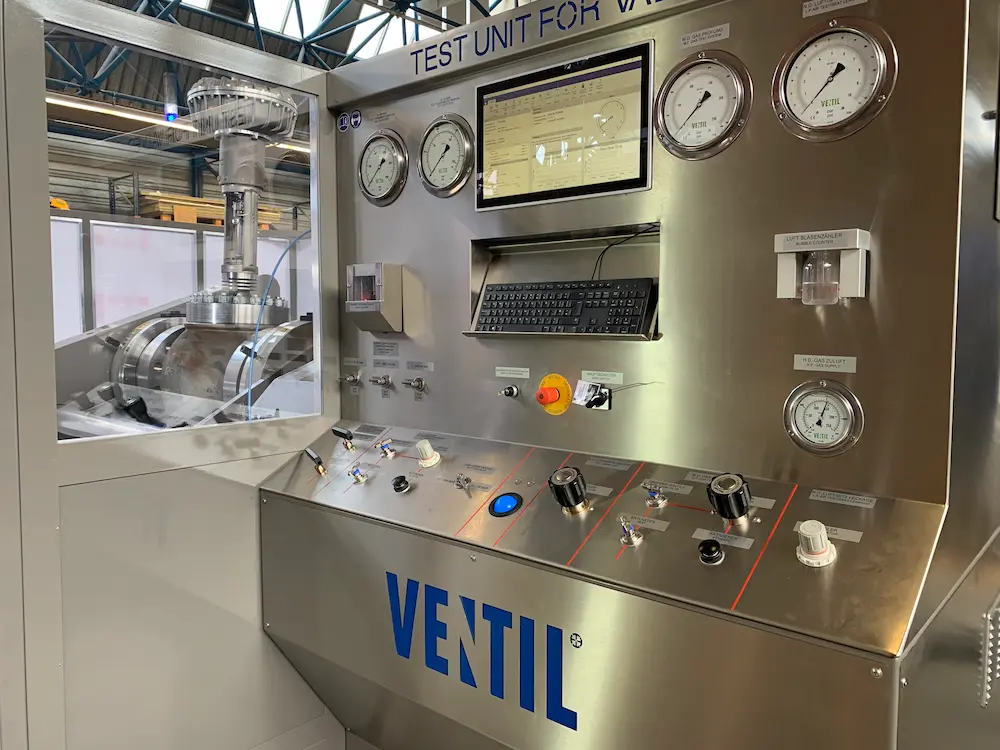
For maximum flexibility, many valve test facilities support both liquid and gas testing with dedicated pressure-generation and measurement systems.

Size meets pressure

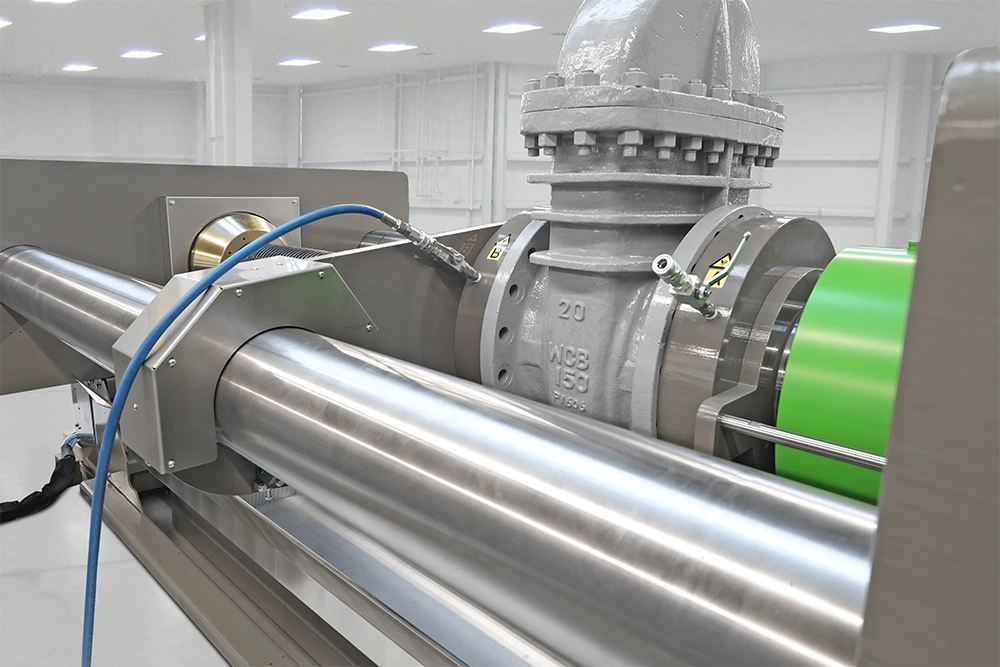
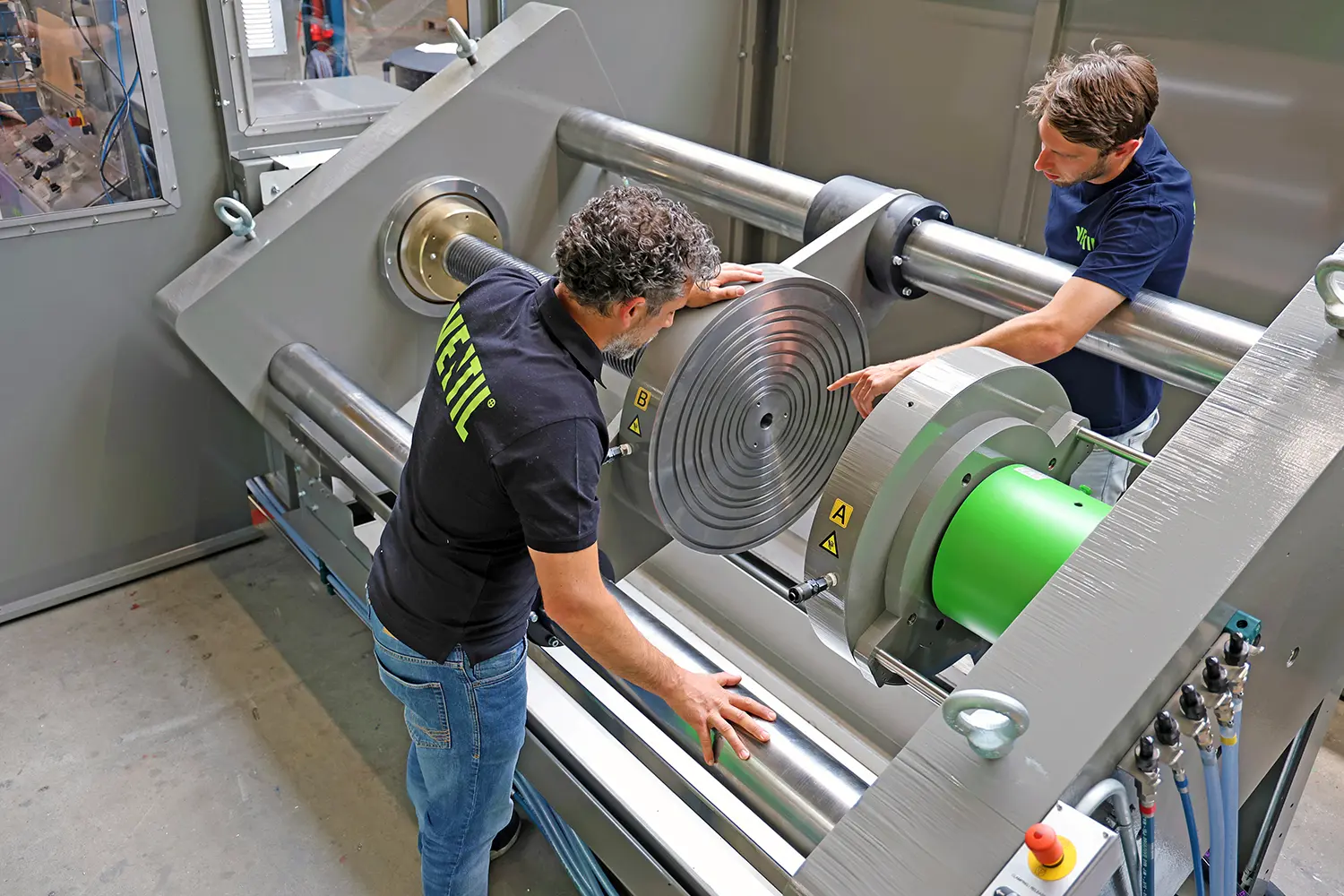
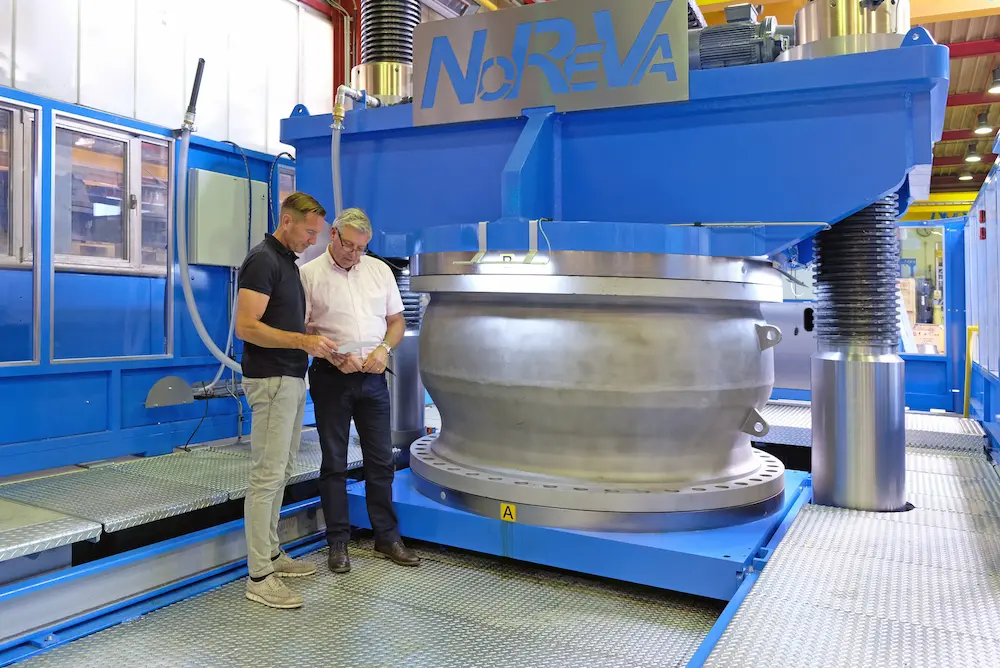
The maximum valve size and maximum test pressure are key factors in selecting the correct test bench. Together, they determine the forces acting on the valve during testing and therefore the clamping force required to hold the valve safely and securely in position.

This is why clamping force is included in our product selector: it helps to identify the right test bench configuration for your valve size and pressure requirements, ensuring the selected solution is tight, safe, reliable and fit for purpose.

Single or multiple test stations

The choice between a single station and multi station test system should be based on the required testing capacity, valve types and expected workflow. 

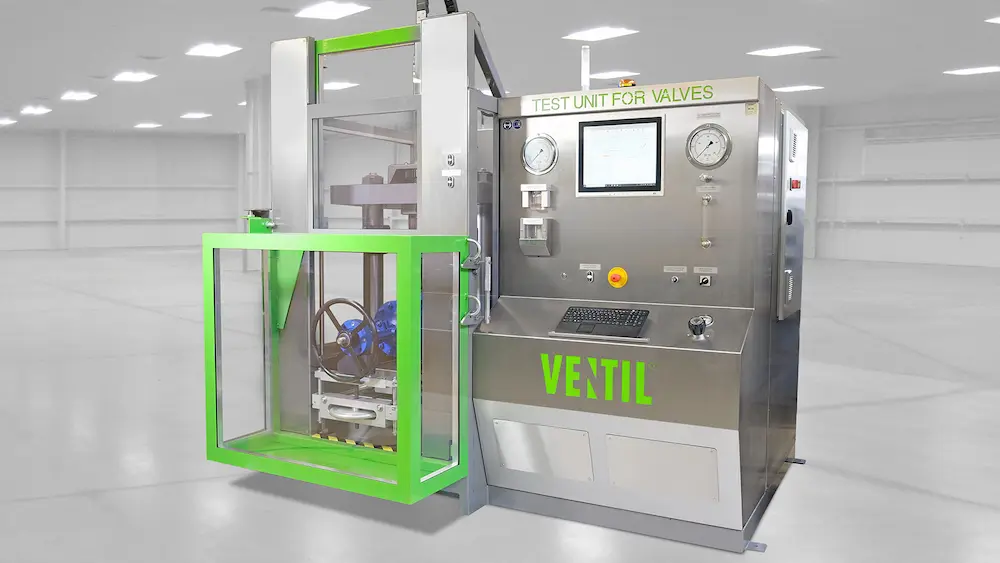
A single station system may be suitable where valves are tested individually, test volumes are relatively low, or flexibility is more important than throughput. 

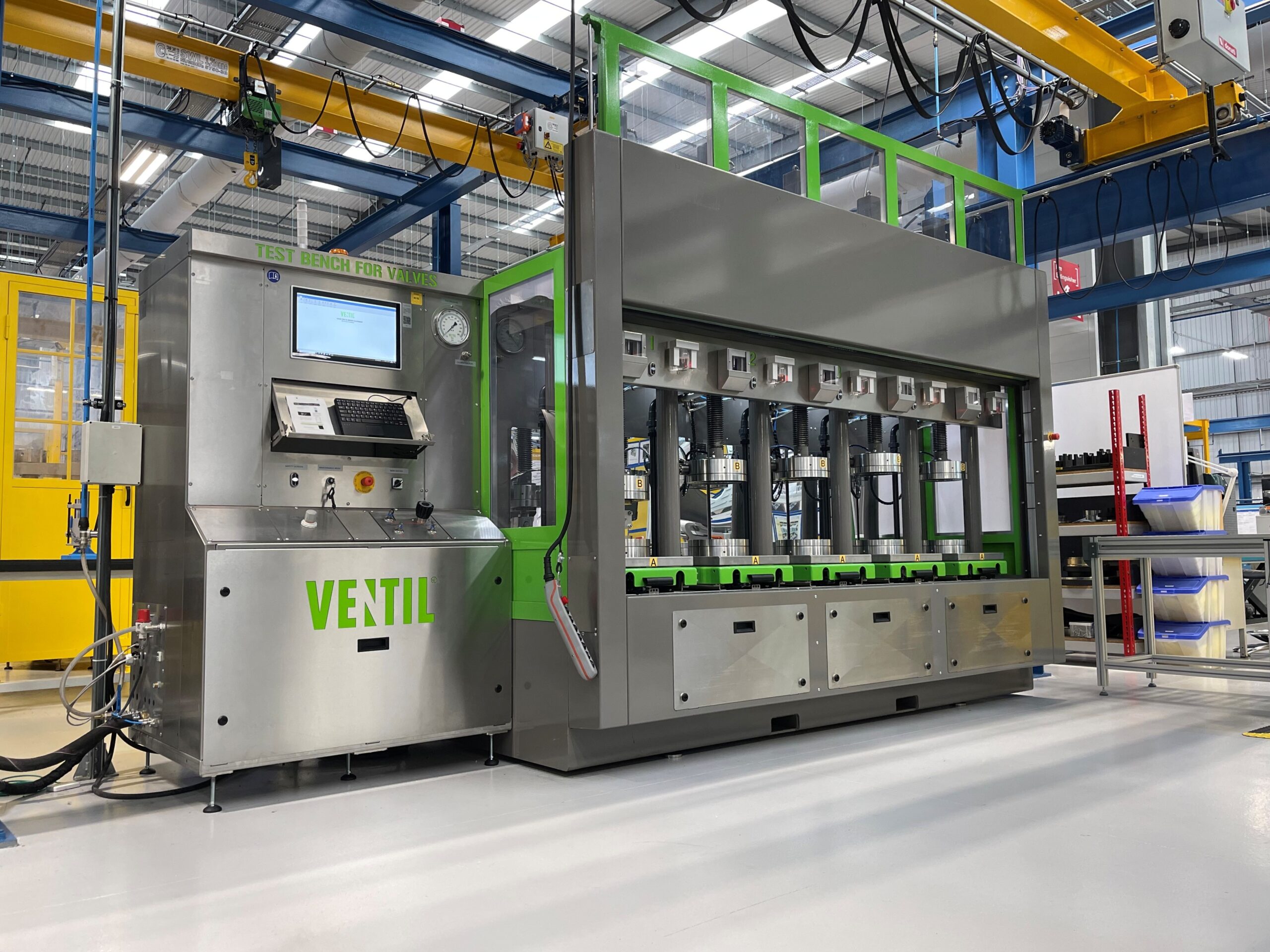
A multi station system can increase productivity by allowing several valves to be tested simultaneously, particularly where there is a high volume of repetitive testing. 

Safety by design

Pressure testing involves the controlled management of significant stored energy and requires a robust, safety-driven engineering approach. Our pressure-testing systems can be configured and executed with safety features such as pressure containment, overpressure protection, physical guarding, enclosures, safety interlocks, controlled pressurization and depressurization.

Safety requirements can be integrated into the system design according to the specific application, test conditions, applicable pressure ratings, industry standards, regulatory requirements and site-specific safety conditions.

Need technical support?

The better we understand your testing needs, the more accurately we can recommend a modular solution built around your valves – not the other way around.

Not sure which test bench configuration best matches your requirements or budget?

Our global teams and partners are ready to support you with the right specifications, test methods and system configuration – helping you select a test bench that is technically and commercially suited to your application.

Thank you for your
requested quotation

Please share detailed information so we can serve you efficiently

First Name
Last Name
Company
Email Address
Notes / Remarks
Country