Product Selection Guide

What types of valves, size ranges, pressure ratings and connection types must the test and repair equipment accommodate?

Defining your application

To help you explore the most suitable solution for your application, we would be pleased to support you in defining the right valve test bench, repair equipment and configuration from our extensive range of solutions.

As a first step, we recommend considering the specific requirements of your testing and repair application, including the valve types and sizes, pressure ranges, connections, required test methods, applicable industry standards, reporting requirements and any specific functionalities or capabilities you may need.

Pressure Relief Valves

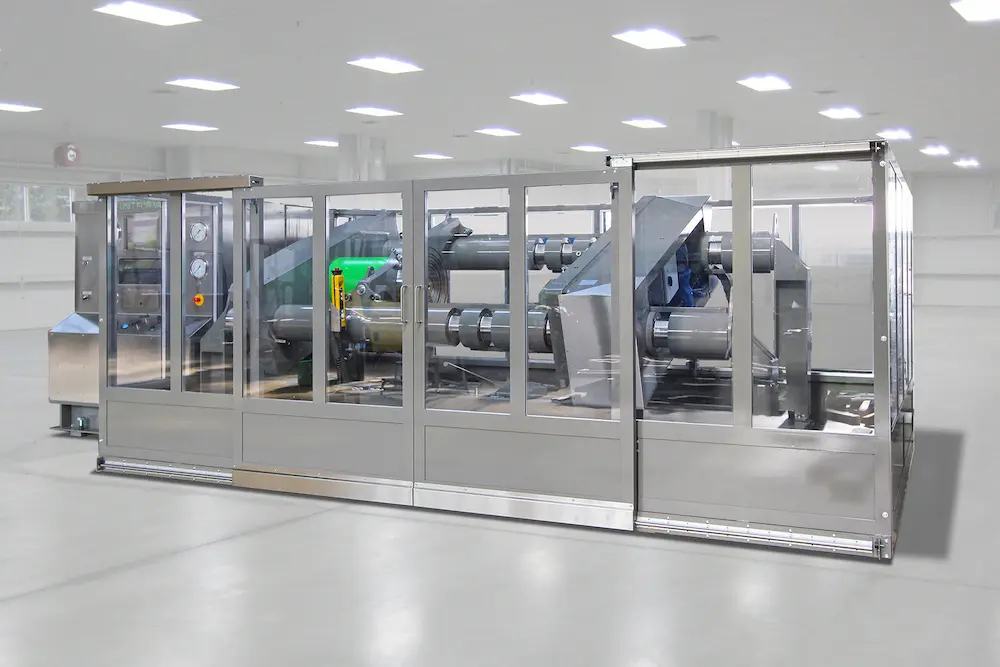
During pressure testing, the internal test pressure generates significant axial forces that attempt to separate the valve from the test connections. The clamping system must therefore apply sufficient force to exceed these pressure-induced loads while avoiding unnecessary stress on the valve body. 

We offer electric, pneumatic and hydraulic clamping solutions, each selected according to valve type, pressure class and testing requirements. Hydraulic clamping provides the highest and most controllable clamping forces, while proportional control optimises sealing performance and protects the valve from excessive mechanical loading.

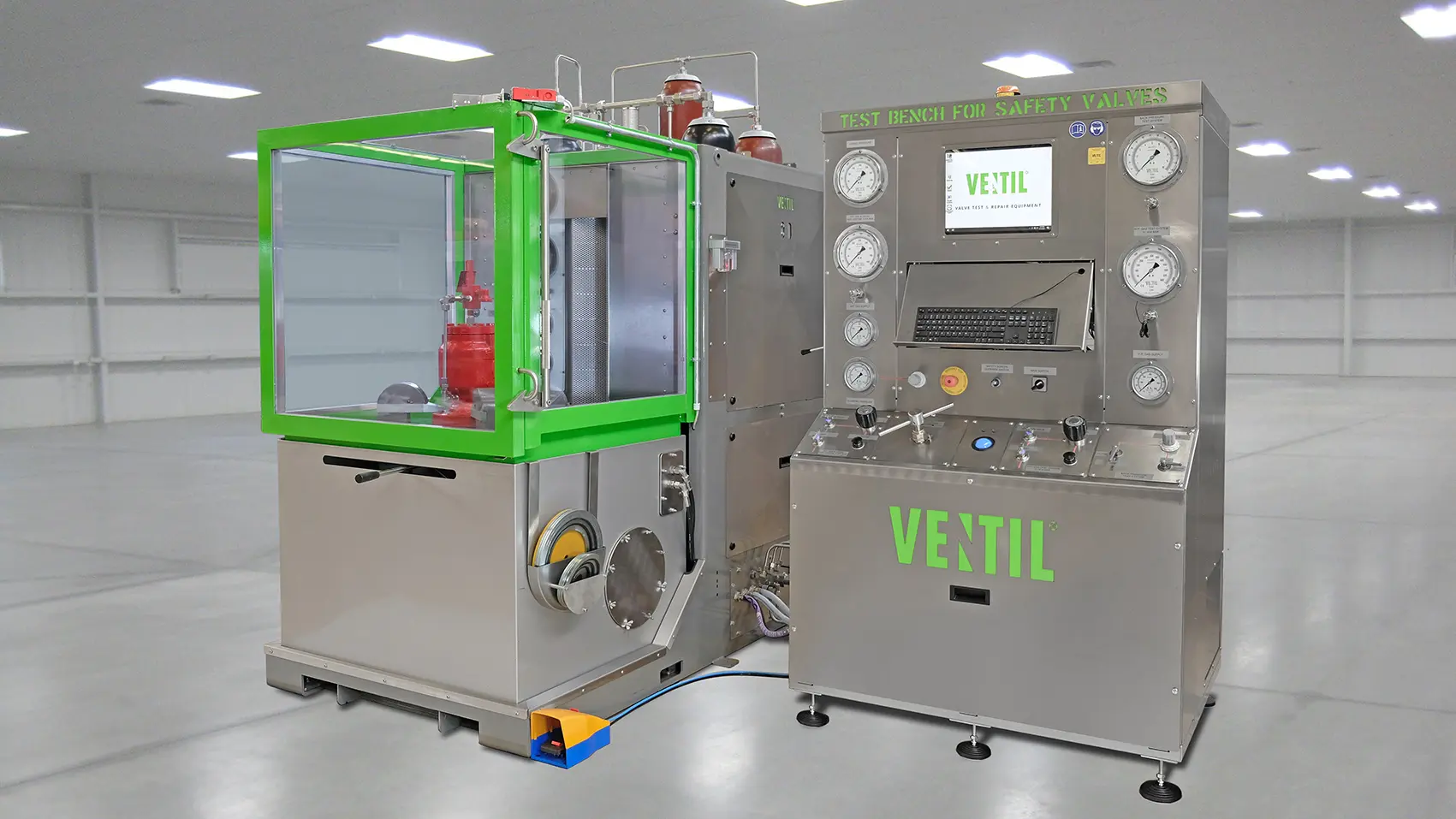
Horizontal clamping

Designed for valves that are best loaded and tested in a horizontal position. The clamping system securely holds the valve between the test connections while allowing controlled application of the required clamping force.

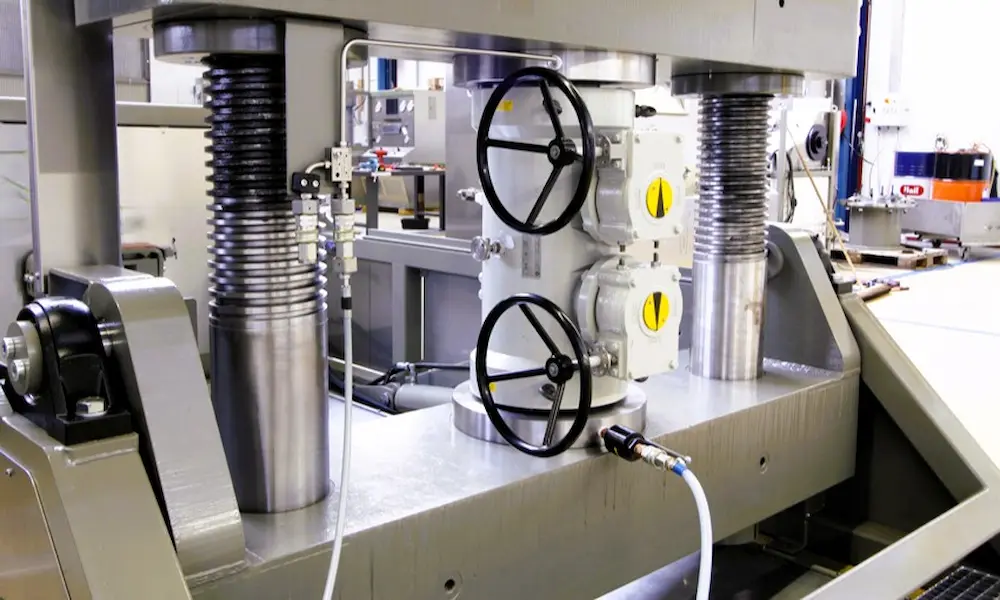
Vertical clamping

Designed for valves that are best loaded and tested in a vertical position. The clamping system securely supports the valve between the test connections while allowing controlled application of the required clamping force. Stel dat deze net 2 of 3 regels meer nodig heeft, dan duwd hij de tekst nu naar beneden. (uitlijning dit blok vanaf boven)

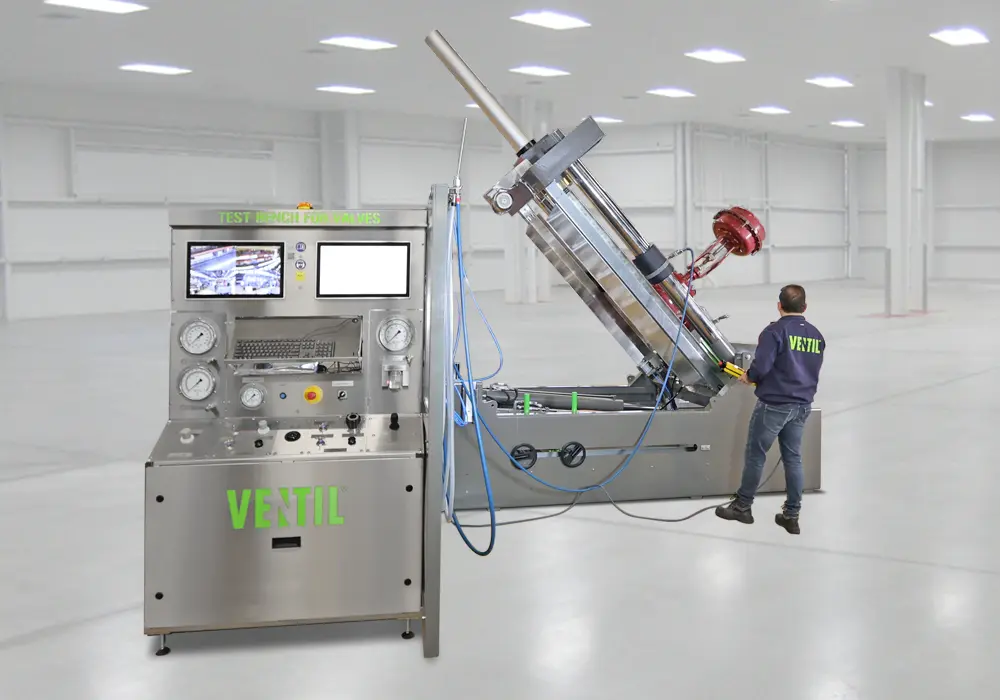
Tilting version

Designed for valves that benefit from angled loading and testing. The tilting clamping system combines secure valve positioning with improved accessibility while allowing controlled application of the required clamping force.

2. The Right Sealing Method

The effectiveness of a valve test bench depends as much on the sealing method as on the applied test pressure. We select the most suitable sealing technology based on valve geometry, connection type and pressure rating.

Conventional O-ring adapters provide dependable sealing for high-pressure testing, while Vulkollan® sealing discs enable faster setup where lower sealing forces are sufficient.

Advanced sealing solutions

For valves where conventional face sealing is impractical or excessive clamping forces should be avoided, Inner Seal, Outer Seal or S.E.T. adapters provide an advanced alternative by creating the pressure seal directly within the valve bore or connection.

This reduces mechanical loading while ensuring a secure seal under test pressure, improving repeatability, setup efficiency and performance in demanding high-pressure applications.

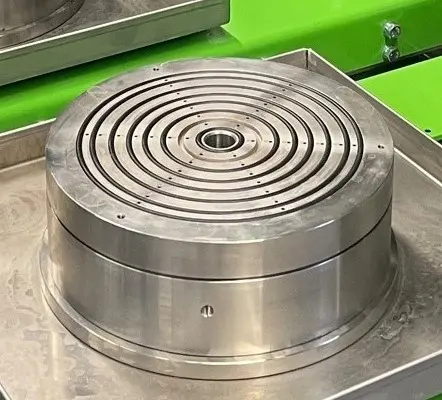
Application-specific engineered

For valves where conventional face sealing is impractical or excessive clamping forces should be avoided, Inner Seal, Outer Seal or S.E.T. adapters provide an advanced alternative by creating the pressure seal directly within the valve bore or connection.

This reduces mechanical loading while ensuring a secure seal under test pressure, improving repeatability, setup efficiency and performance in demanding high-pressure applications.

Thank you for your
requested quotation

Please share detailed information so we can serve you efficiently

First Name
Last Name
Company
Email Address
Notes / Remarks
Country